

Quality Front-End Alignment Requires Experienced Automotive Technicians
Accurate Wheel Adjustments Begin with a Thorough Steering and Suspension Inspection
A steering wheel that sits crooked during a straight drive can make a familiar commute feel oddly tiring. Add a slight pull toward the curb, and suddenly every few seconds require another small correction. These symptoms deserve attention, but they do not automatically mean the front wheels simply need adjusting. Drivers who take a look at this page while researching alignment should know that accurate service starts by finding out why the vehicle is behaving differently. A damaged tire, worn steering part, or suspension problem can create similar complaints. The right technician investigates those possibilities before making changes to the alignment settings.
Think of wheel alignment as a set of precise measurements, not a quick way to straighten the steering wheel. Toe describes whether wheels point inward or outward, camber concerns their tilt, and caster helps influence steering stability. Each vehicle has manufacturer specifications, and not every angle can be adjusted on every model. A small error in toe, for example, can cause tires to scrub against the pavement, gradually wearing the tread unevenly. Hitting a pothole or curb may contribute to misalignment, but ordinary wear in steering and suspension components can also change how the wheels behave under load.

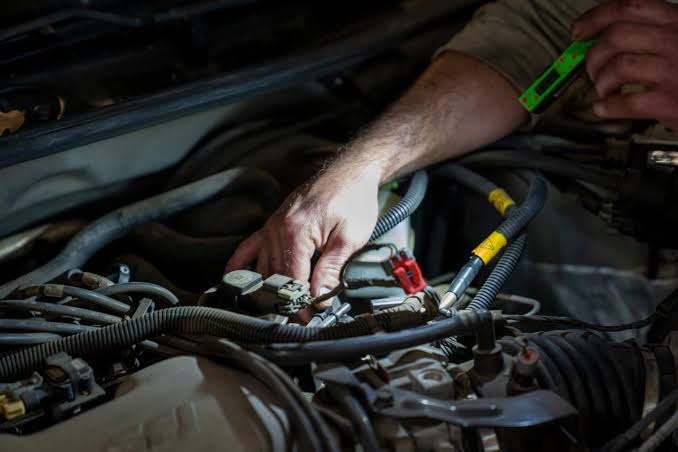
That is why a qualified mechanic checks the parts that hold everything in position before connecting the alignment equipment. Tie rod ends, ball joints, bushings, and control arms all deserve attention when symptoms suggest looseness or damage. Correcting wheel angles while a joint has excessive play may produce readings that look acceptable in the workshop but fail to hold on the road. Technicians also consider tire pressure, tread condition, and wheel damage, because these can imitate alignment faults. Once the mechanical condition is clear, specialized equipment measures the angles and guides adjustments to the values appropriate for that particular vehicle.
A careful service should include an explanation of the results. Before-and-after readings help show which settings were outside specification and what was actually corrected. If a particular angle cannot be adjusted, the technician should explain why, rather than promising perfection. Drivers may also learn that a pulling problem comes from a tire or brake issue instead of alignment. That may not be the answer they expected, but accurate information prevents wasted money. Following steering or suspension repairs, checking alignment is often sensible, particularly when parts affecting wheel positioning have been replaced. It helps protect tire life and maintain predictable handling.
Choosing a shop should therefore involve more than asking for the cheapest adjustment. Find out whether technicians inspect the steering and suspension first, use current vehicle specifications, and provide a clear account of their findings. When reviewing what to expect, take a look at this page as a reminder that careful diagnosis matters just as much as precise equipment. No alignment service can repair a worn joint or rescue a damaged tire by changing a few angles. Done properly, however, it can reduce needless tread wear and make the vehicle feel steadier on ordinary roads. That quieter, more predictable drive is what quality workmanship should deliver.
…










 Lorsque les incendies de forêt ravagent les paysages, une équipe d’élite prend son envol — les Pilotes du Feu. Ces aviateurs hautement qualifiés jouent un rôle essentiel dans la lutte contre les incendies, protégeant à la fois la nature et les vies humaines.